
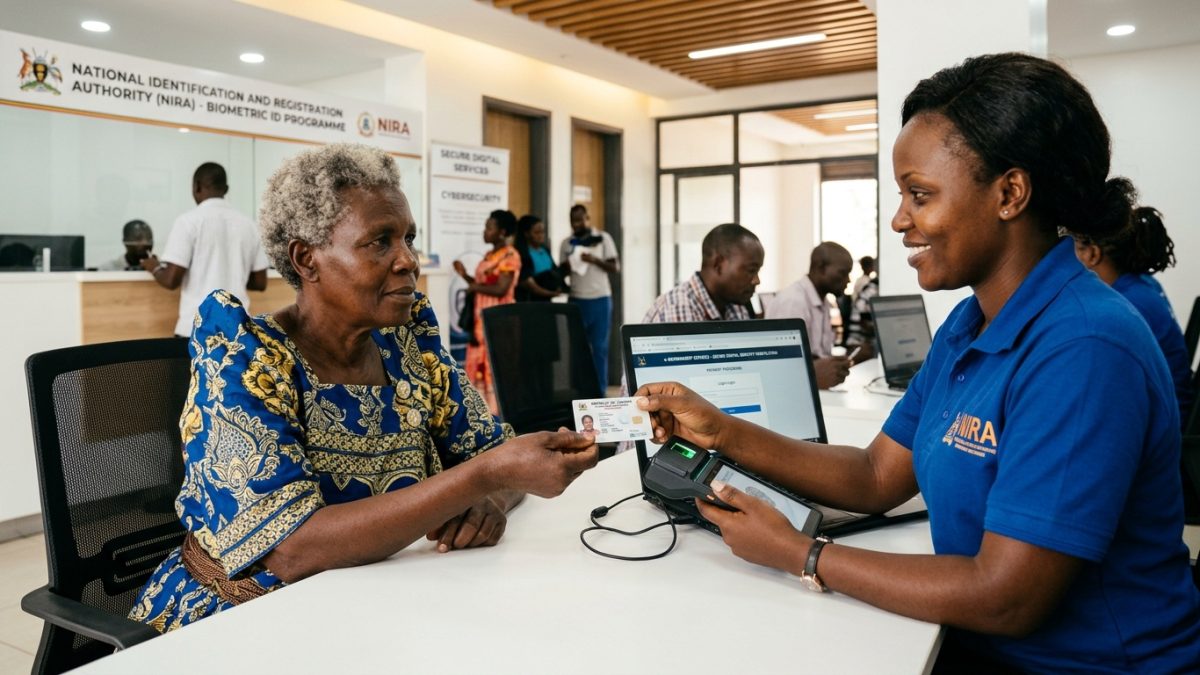
Uganda is moving forward with a major upgrade of its national digital identity system, in a bid to strengthen e-government services, improve cybersecurity, and expand access to digital payments.
The National Identification and Registration Authority (NIRA) has confirmed plans to roll out enhanced biometric ID cards and supporting infrastructure, as part of a broader effort to modernise the country’s digital backbone. The initiative, progressing through April, is expected to impact millions of citizens as existing IDs approach expiry and demand grows for more secure, interoperable systems.
Officials say the upgrade will improve authentication processes across both public and private sector services. By introducing more advanced biometric features and strengthening backend systems, the government aims to reduce identity fraud while enabling smoother access to services such as banking, telecom registration, and government platforms.
The development reflects a wider regional trend, as countries across East Africa invest in digital identity as a foundation for economic growth. In Uganda, the ID system is increasingly being positioned as a gateway to digital payments and financial inclusion, particularly for citizens who lack access to traditional banking services.
“Digital identity is central to delivering secure and efficient public services,” an official involved in the programme said, noting that the upgraded system will support integration with additional platforms over time.
A key component of the rollout is the integration of identity verification into e-government cloud systems. By hosting services on more scalable digital infrastructure, authorities aim to improve reliability while enabling real-time access to government services. This shift is expected to reduce administrative bottlenecks and support more efficient service delivery nationwide.
Cybersecurity is also a central focus. As identity systems become more interconnected with payments and public services, protecting sensitive personal data is critical. Technology providers such as Thales and Entrust are widely recognised for supporting similar large-scale identity and credentialing systems globally, offering encryption and authentication solutions designed to safeguard digital ecosystems.
The upgraded infrastructure is also expected to enable closer alignment with regional initiatives, including cross-border digital services and payment systems under the African Continental Free Trade Area (AfCFTA). By ensuring that identity systems are interoperable, Uganda could facilitate smoother movement of people, services, and capital across borders.
While challenges remain—particularly around infrastructure coverage and public awareness—the government’s approach signals a clear commitment to building a secure, inclusive digital economy.
As Uganda advances its digital identity framework, the initiative is set to play a pivotal role in connecting citizens to services, strengthening trust in digital platforms, and supporting the country’s long-term economic transformation.