
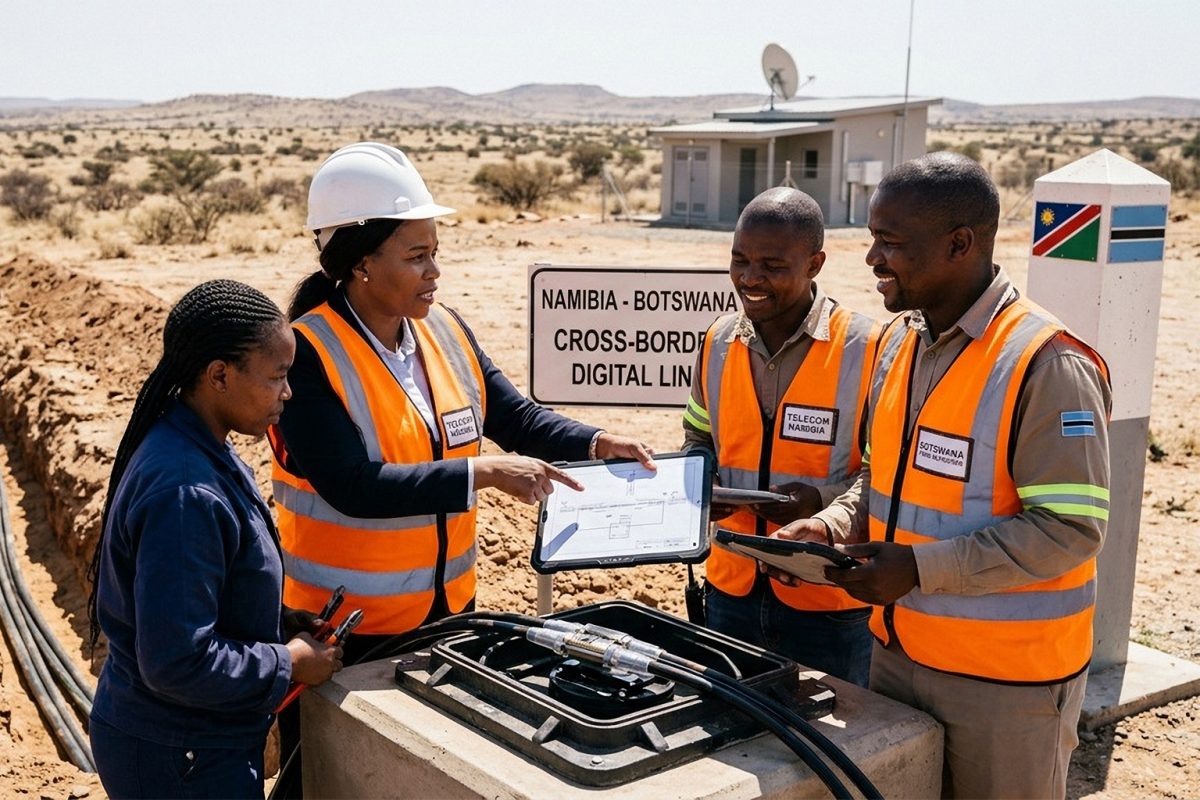
Southern African countries are increasing investment in cross-border digital infrastructure projects as governments seek to improve connectivity, strengthen cloud capacity and support regional economic integration.
Recent agreements involving Namibia and Botswana highlight growing efforts to expand fibre networks and modernise telecommunications infrastructure across the region. The projects are expected to improve internet reliability, increase access to digital services and support the growth of e-government platforms and digital payment systems.
Officials say stronger backbone infrastructure will play a critical role in accelerating economic development and reducing the digital divide between urban and rural communities.
Namibia’s Minister of Information and Communication Technology Emma Theofelus recently said regional cooperation on connectivity is becoming increasingly important for Africa’s digital future.
“Digital infrastructure is now as important as transport and energy infrastructure. Expanding connectivity will unlock innovation, investment and opportunities for our citizens,” she said.
Industry analysts say improved fibre connectivity could also strengthen cybersecurity resilience by providing more reliable and secure data networks across the region. Governments in Southern Africa are increasingly prioritising digital transformation as businesses and public institutions rely more heavily on cloud services and online platforms.
The latest infrastructure initiatives also support wider regional efforts to harmonise telecommunications systems and improve cross-border digital services.
Experts believe better connectivity will encourage growth in sectors including fintech, e-commerce, education and public administration. Countries including Zambia, Zimbabwe and Malawi are also participating in broader discussions around regional roaming agreements and digital cooperation aimed at lowering communication costs and improving access to online services.
Technology specialists say investment in backbone infrastructure remains essential if African countries are to compete effectively in the global digital economy. While challenges including funding and cybersecurity threats remain, regional leaders argue that continued cooperation will help create a more connected and digitally inclusive Southern Africa. Governments across the region are expected to continue prioritising digital infrastructure projects as demand for high-speed connectivity and secure online services continues to rise.