
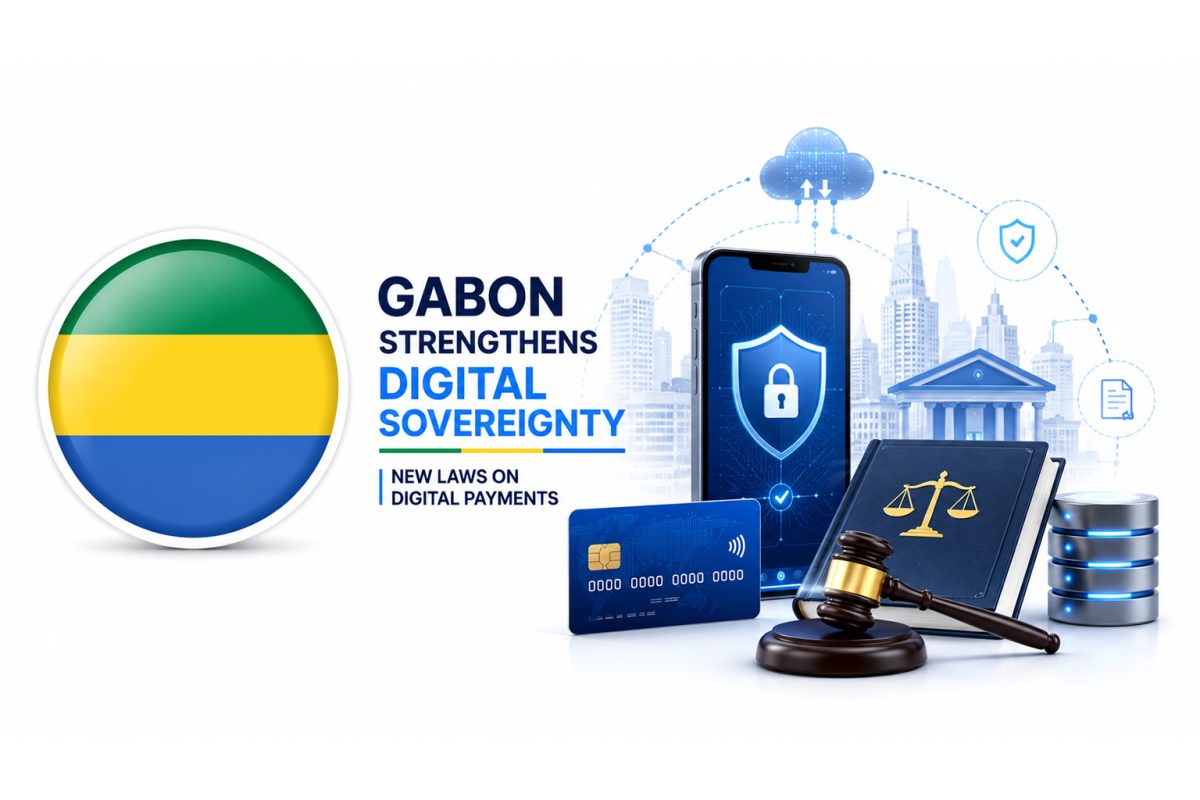
Gabon is accelerating its digital transformation agenda after introducing two new ordinances designed to modernise financial transactions and strengthen the legal framework for managing digital records.
The measures, presented to the Senate by Minister of Digital Economy, Digitalisation and Innovation, Mark-Alexandre Doumba, establish the legal foundations for digital payments and electronic archiving, reinforcing the country’s drive toward greater digital sovereignty.
The first measure creates a legal framework for the gradual adoption of digital payment systems across government revenue collection and public expenditure. By encouraging the use of traceable electronic payment channels, the government aims to reduce reliance on cash, improve transparency, and expand access to financial services, particularly within Gabon’s large informal economy.
Addressing senators, Minister Doumba stressed that the reform is intended to benefit all citizens rather than only financial institutions.
“This text does not only concern banks or large companies. It concerns the neighbourhood merchant, the retiree, the stock marketer, the citizen who pays his bills. It is the infrastructure of daily economic life, the one that drives all operators towards the digital economy.”
The minister also defended legislation that establishes rules governing the preservation, authenticity and legal validity of electronic documents while creating a regulatory framework for providers of electronic archiving services.
Senators examined issues including cybersecurity, implementation timelines and the financial implications of transitioning public administrations to digital systems. The government argues that secure digital archives will become increasingly important as more public services move online and government operations become digitised.
Together, the two key measures form a key pillar of Gabon’s digital transformation strategy. While digital payments are expected to improve the efficiency and traceability of financial transactions, electronic archiving will ensure those records remain secure, authentic and legally recognised. The reforms are intended to strengthen governance, improve administrative efficiency and provide the legal infrastructure needed to support an increasingly digital economy.