
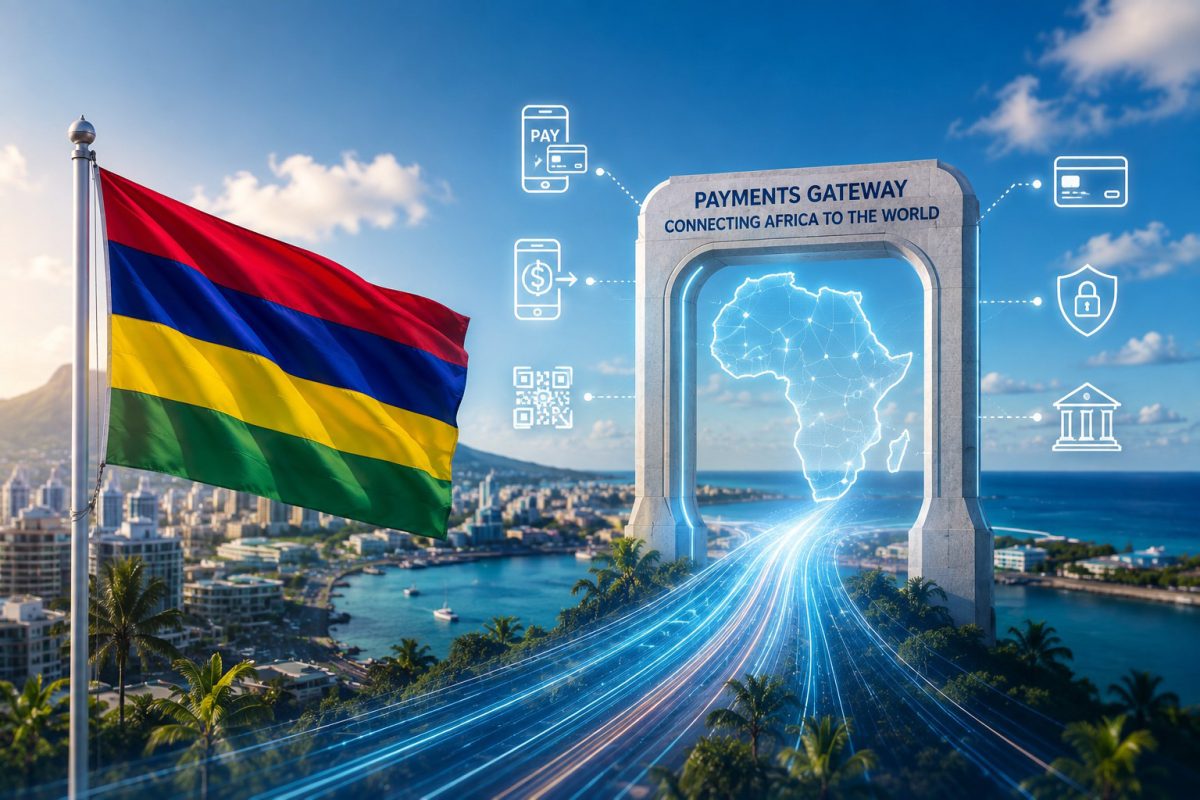
Mauritius is positioning its financial services sector to capture a larger share of the expanding digital payments market by using its Payment Intermediary Services (PIS) licence as a platform for fintech companies targeting Africa and international markets.
The licence, issued by the Financial Services Commission (FSC), allows approved businesses to provide a range of electronic payment services, including digital wallets, payment accounts, merchant acquiring, card processing and domestic and cross-border transactions.
The framework comes as digital commerce, embedded finance and fintech adoption continue to reshape how businesses and consumers move money. Mauritius is seeking to capitalise on its established financial centre, regulatory environment and geographic position between Africa and Asia to attract companies looking for a base from which to serve multiple markets.
Businesses operating under the PIS framework can offer payment gateways, electronic fund transfers and online banking services. The licence can also be combined with a Global Business Company structure, creating a setup aimed at firms seeking to operate across Africa, the Middle East and other international markets.
Mauritius is also promoting the jurisdiction’s tax and investment environment as part of its appeal. Qualifying foreign-source income for eligible businesses operating through a GBC may be subject to an effective corporate tax rate of about 3%, while the jurisdiction does not impose capital gains or dividend withholding taxes, subject to applicable rules and conditions.
However, obtaining a PIS licence requires companies to meet a range of regulatory and operational requirements. Applicants must demonstrate suitable ownership and management structures, comprehensive business plans and controls covering anti-money laundering and counter-terrorist financing.
Cybersecurity, information technology infrastructure, complaints management, risk controls and business continuity arrangements are also part of the licensing requirements. Companies must additionally maintain minimum unimpaired stated capital of MUR 2 million, equivalent to about US$45,000.
The regulatory framework is intended to provide greater confidence to payment businesses while ensuring that customer funds and financial transactions are adequately protected.
For fintech companies seeking regional expansion, Mauritius is presenting the PIS licence as more than a regulatory requirement. The country sees it as part of a broader ecosystem that can help payment processors, digital wallet providers and merchant acquirers establish operations with access to African and international markets.
As digital payments continue to expand, Mauritius is betting that a combination of regulatory credibility, financial infrastructure and international connectivity can strengthen its position as a hub for the next generation of payment businesses.