
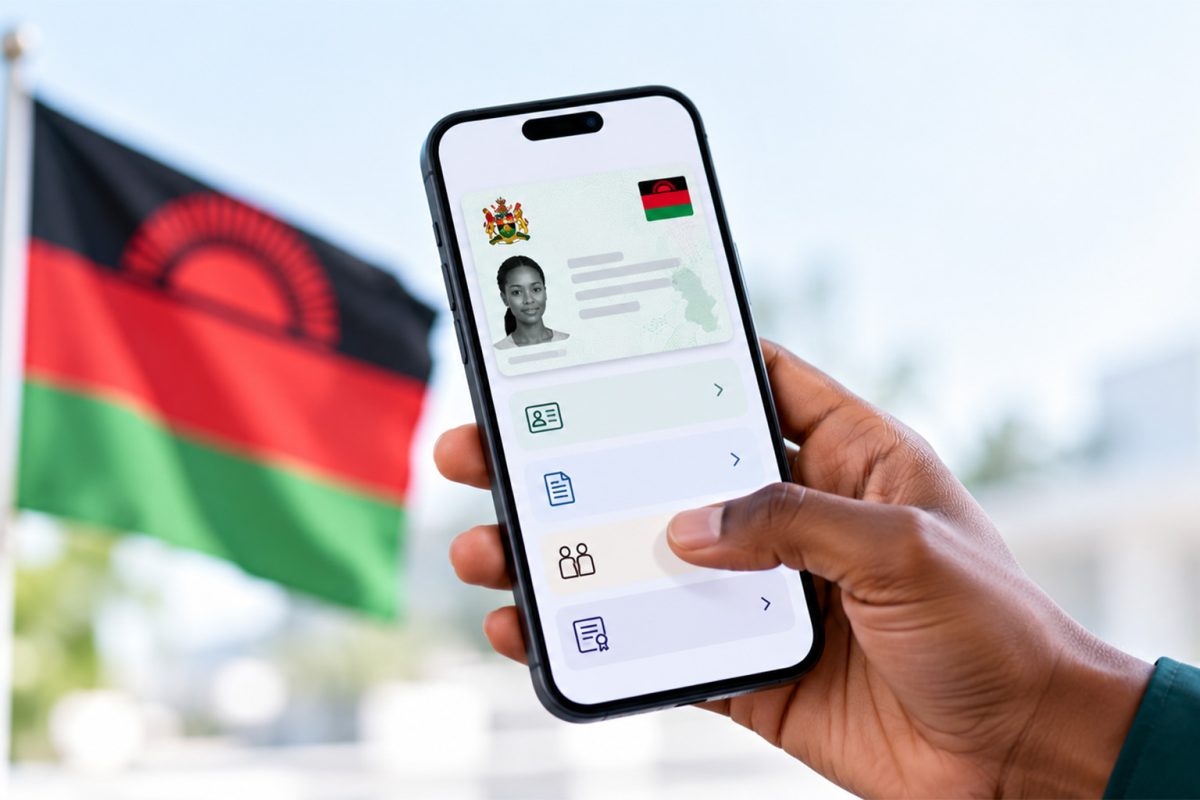
Malawi is advancing efforts to strengthen its digital identity infrastructure, with government and international partners reviewing progress on an e-KYC and Digital Identity Project designed to improve access to financial services and support the country’s wider digital transformation.
The initiative is being implemented with the Reserve Bank of Malawi and supported through the India-UN Development Partnership Fund. On 29 September, India’s High Commissioner to Malawi, Amararam Gujar, met representatives from the United Nations Development Programme and the UN Capital Development Fund to assess progress and discuss the next phase of the programme.
The project is intended to strengthen Malawi’s digital identity ecosystem and make electronic Know Your Customer processes more effective. By enabling individuals to verify their identity digitally, e-KYC can reduce the administrative barriers involved in opening bank accounts, accessing financial products and completing other regulated transactions.
The review comes shortly after Malawi launched the Nzika Digital ID Wallet, a major addition to the country’s identity infrastructure. The wallet enables citizens to securely access official credentials including national identity records, birth certificates, marriage certificates and death certificates.
Launching the wallet in September, Homeland Security Minister Peter Mukhito said: “We are changing the way Malawians prove who they are.”
He stressed that the digital credential is designed to complement rather than replace the physical identity card, giving citizens an additional way of verifying their identity and accessing services.
Malawi has also removed expiry dates from national identity cards, ending the requirement for periodic renewal. Announcing the change, Mukhito said: “A person’s identity does not expire.”
The reforms reflect a broader move towards using digital identity as a foundation for public and private-sector services rather than simply as a means of identification.
For Malawi, the next stage will be to connect its identity infrastructure more closely with banking, financial inclusion programmes and digital government services. The involvement of the Reserve Bank, UNDP, UNCDF and international development partners underlines the increasingly central role digital identity is expected to play in the country’s emerging digital public infrastructure.
More than 22,000 Malawians had already onboarded to the Nzika Digital ID Wallet by the time of its launch, according to UNDP.