
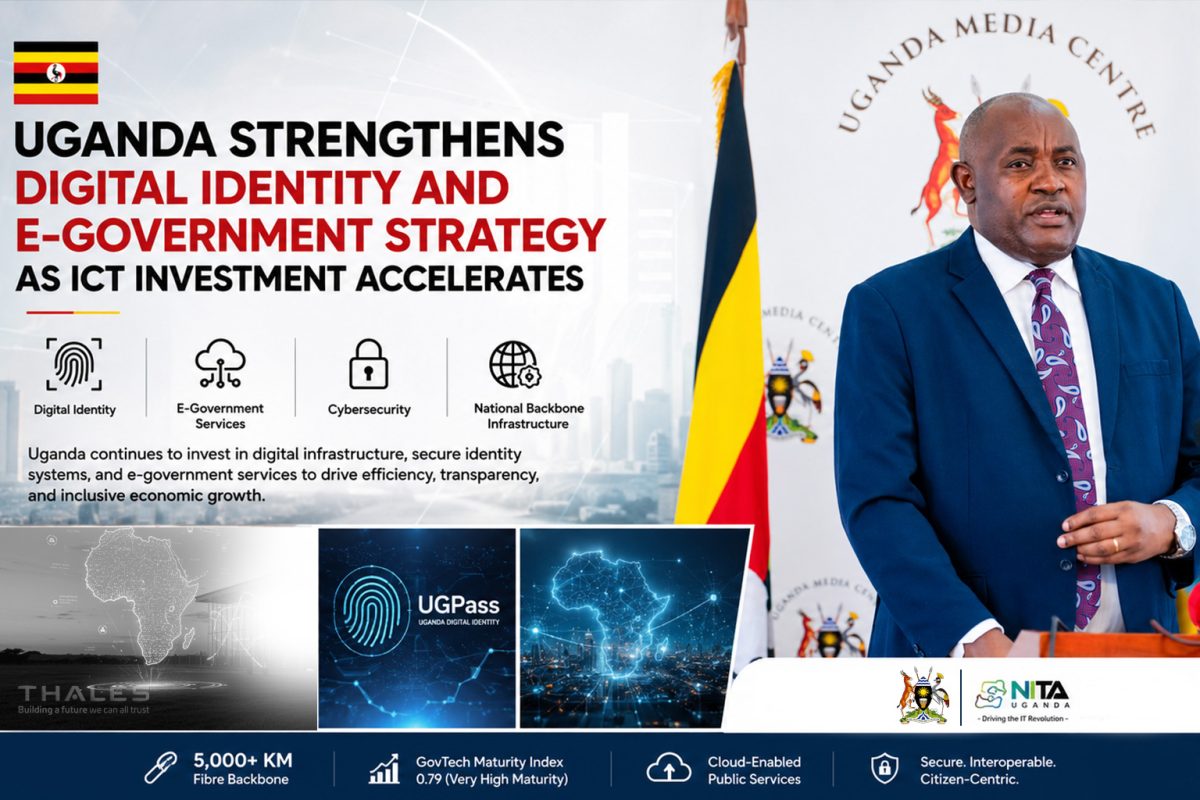
Uganda is intensifying efforts to modernise public services and digital infrastructure as the government positions technology at the centre of national development and economic transformation.
In announcements made this week, officials confirmed that Uganda will continue expanding its digital government strategy through investment in national backbone infrastructure, cybersecurity systems, digital identity platforms and cloud-enabled public services. The developments come as Uganda prepares to host the 2026 Digital Government Africa Summit in Kampala, an event expected to attract policymakers, technology firms and digital infrastructure providers from across the continent.
ICT and National Guidance Minister Dr. Chris Baryomunsi said digital transformation is now becoming essential to how governments deliver services and manage public systems. “Digital transformation is no longer a future ambition. It is central to how governments operate today,” he said during the summit announcement in Kampala.
Uganda’s strategy is increasingly focused on integrating digital identity systems, e-government services, cybersecurity and digital payments into a unified public sector framework. Officials said the country’s National Backbone Infrastructure has expanded to more than 5,000 kilometres of fibre connectivity, improving internet access for government institutions and public service delivery platforms across the country.
The National Information Technology Authority-Uganda (NITA-U) said Uganda’s GovTech Maturity Index now stands at 0.79, placing the country in the “Very High Maturity” category globally. Authorities also highlighted the growing role of UGHub, a secure government data-sharing platform, and UGPass, Uganda’s digital identity and electronic signature system.
Government officials say the next phase of Uganda’s digital agenda will focus on cloud infrastructure, interoperability between agencies and stronger cybersecurity resilience to support online public services and digital commerce.
The Ministry of ICT recently said expansion of the National Backbone Infrastructure and last-mile connectivity remains a major priority in efforts to bridge the digital divide and improve access to digital services nationwide.
Technology companies are also increasing focus on secure digital ecosystems across Africa. Thales said governments globally are placing greater emphasis on biometric identity verification, secure authentication and trusted digital identity systems as digital public infrastructure expands.
Visa has continued promoting secure digital payments and financial inclusion initiatives across African markets, highlighting the importance of resilient payment systems and trusted digital commerce infrastructure. Industry analysts say Uganda’s continued investment in cybersecurity, digital identity and backbone infrastructure is helping position the country as one of East Africa’s emerging digital government leaders.