
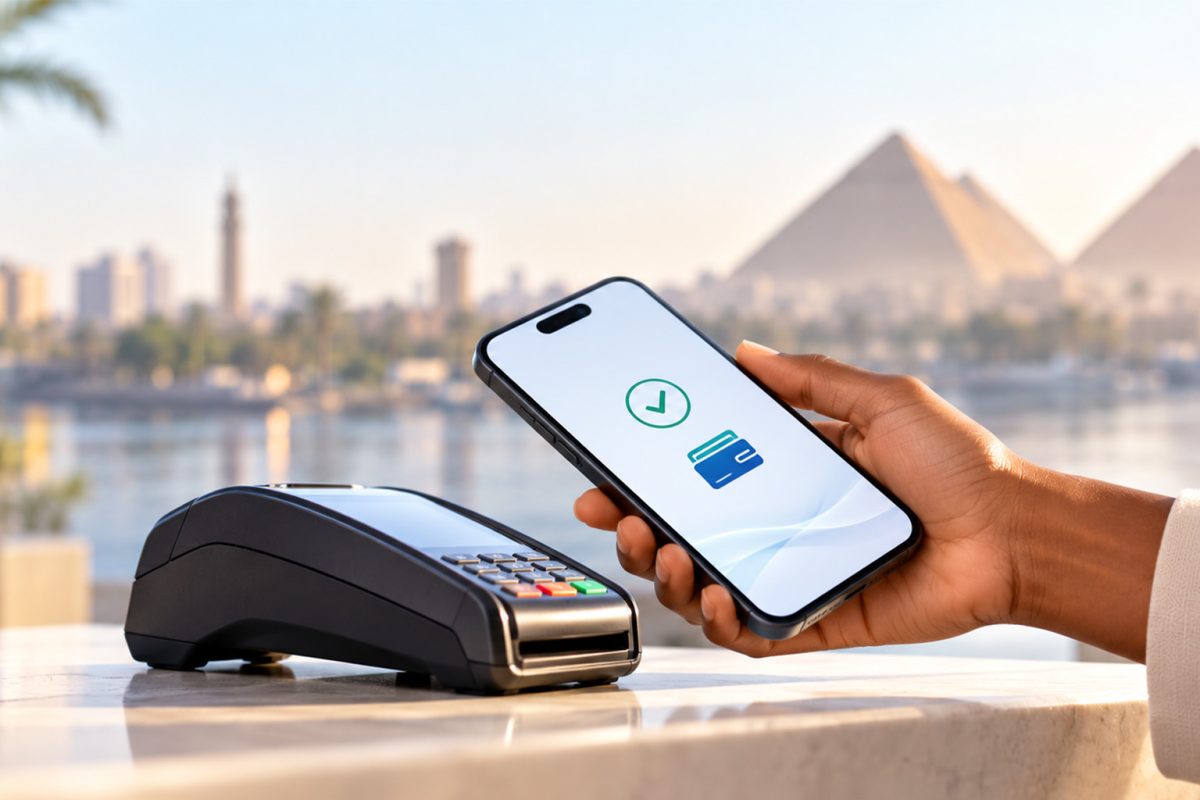
Egypt’s national instant payments infrastructure has reached nearly 22 million registered users, highlighting the rapid growth of digital payments as the country continues its transition towards a less cash-dependent economy.
The Central Bank of Egypt said the country’s Instant Payment Network had processed around 1.47 billion transactions worth EGP 4.33 trillion by the end of the second quarter of 2026.
Central Bank Governor Hassan Abdalla presented the figures during the 50th Annual Meeting of the Council of Arab Central Banks and Monetary Authorities Governors in Abu Dhabi, where policymakers discussed the expansion of instant payment systems and greater regional financial integration.
Egypt launched its Instant Payment Network in March 2022 as national infrastructure connecting banks and allowing customers to make transfers in real time.
Its InstaPay service enables users to link accounts held at different banks through a single mobile application and transfer money instantly to bank accounts, payment cards and mobile wallets. Services operate around the clock, including weekends and public holidays.
The network has subsequently expanded to support bill payments, balance enquiries, donations and other financial transactions, as well as transfers using payment links and QR codes.
Egypt has also extended the infrastructure to international remittances, enabling Egyptians living overseas to send funds that can be received instantly through bank accounts, cards or mobile wallets.
Abdalla highlighted instant payments as an increasingly important element of the region’s financial infrastructure and said the next phase should concentrate on widening access, increasing adoption and strengthening regional and cross-border payment integration.
The growth of the system reflects Egypt’s wider strategy to modernise national payment infrastructure, encourage fintech innovation and increase financial inclusion.
Thirty-six banks are currently listed as participants in the Instant Payment Network, giving the platform broad coverage across Egypt’s banking sector.
For government and financial regulators, the scale of adoption demonstrates how interoperable national payment infrastructure can move rapidly from a technology project to an everyday public utility.
With almost 22 million registered customers and transaction volumes continuing to grow, Egypt’s experience is emerging as one of Africa’s largest examples of central bank-led instant digital payments infrastructure.