
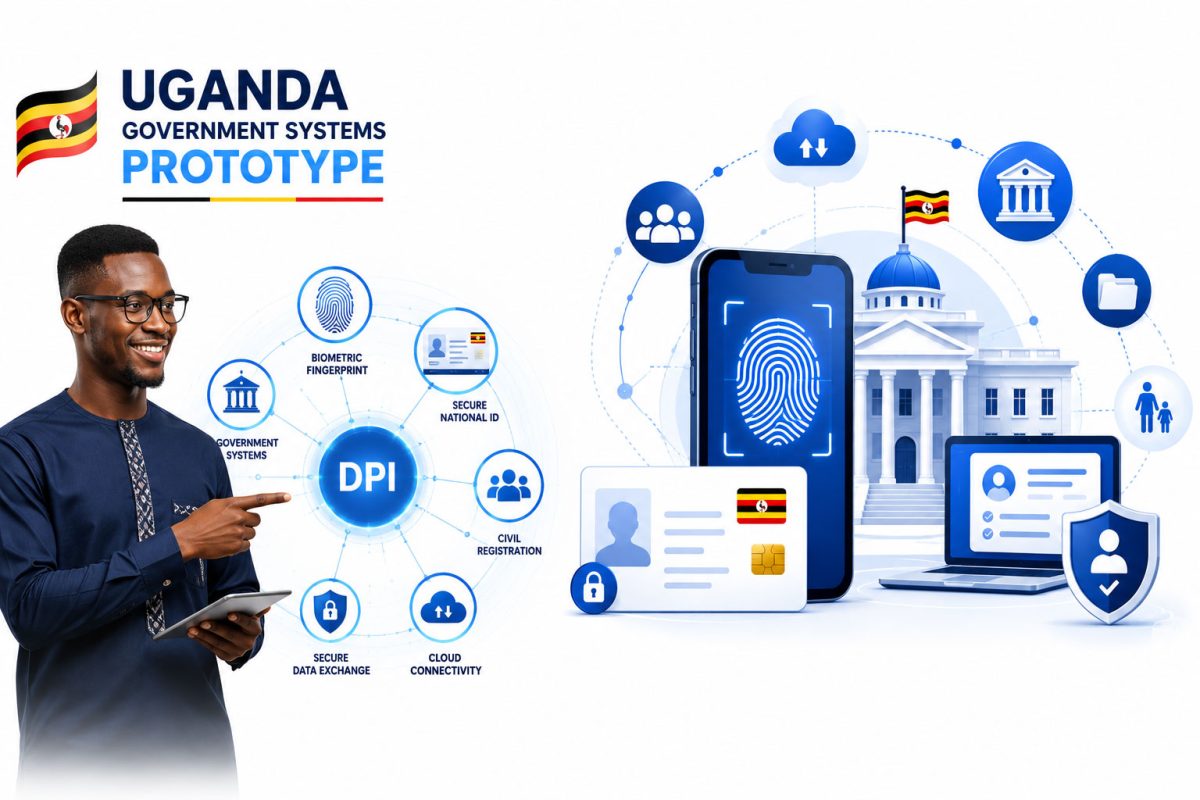
Uganda has unveiled the Government Systems Prototype Showcase, a national initiative designed to accelerate homegrown innovation in digital identity, civil registration and digital public infrastructure (DPI) as the country advances its digital transformation agenda.
Led by the Ministry of ICT and National Guidance, the program invites startups, software developers, innovation hubs, research institutions and locally owned technology companies to submit working systems or functional prototypes that address real government challenges. Officials say outstanding projects could be considered for future government procurement opportunities, providing local innovators with a pathway to contribute to public-sector digital modernization.
Entries will be assessed on functionality, scalability, security, technical quality and their relevance to government needs. Applicants are also required to demonstrate practical public-sector use cases, provide comprehensive technical documentation and show that their solutions can be deployed securely and expanded to meet national demand.
The initiative is expected to strengthen public-service delivery, improve government efficiency and transparency, and support Uganda’s goal of building sovereign digital infrastructure while reducing dependence on imported government technology.
According to the Ministry, the showcase will also pave the way for the creation of the Uganda National Innovator Registry, a platform intended to identify and promote local technology talent. The registry is expected to support software development initiatives and help government agencies identify qualified domestic technology partners for future digital projects.
“The Ministry is committed to engaging Ugandan innovators in this work and building a sustainable pipeline of locally developed Government digital solutions,” the Ministry said.
While digital identity, civil registration and DPI remain the program’s core focus areas, participants are also encouraged to submit innovations in health information systems, interoperability, secure data exchange, citizen engagement platforms and other technologies that can enhance government service delivery.
The showcase comes as Uganda continues rolling out its new national digital identity system, having already migrated more than 28 million identity records to its MOSIP-based platform. The initiative also reflects a wider movement across Africa to strengthen domestic digital public infrastructure capabilities and reduce reliance on imported technologies, complementing regional efforts such as student-led digital identity and DPI hackathons organized through Carnegie Mellon University Africa’s Upanzi Network.